Short answer: If your dog barks in the car at people passing by, safety comes first: secure your dog so they can't reach the driver or lean out, and never train while driving. Then reduce what your dog can see on the busiest side, start with short trips on quiet roads, and practice in a safely parked car with another adult rewarding calm noticing.
Why does my dog bark at people from the car?
In a car, the world moves close and fast, and your dog can't move away. Excitement, worry and frustration can all look the same from the front seat. For the bigger picture, see why dogs bark and lunge on leash; many of the same ideas apply.
How do I keep car rides safe?
Use a suitable restraint for your dog and vehicle that follows local rules. Your dog shouldn't be able to reach the driver or lean out of a window. If barking makes driving unsafe, pause car trips with your dog until you have a safer setup. Never leave a dog alone in a parked car; temperatures can become dangerous quickly.
How do I reduce car barking, step by step?
- Secure your dog. Proper restraint first, every trip.
- Limit the busiest view. A safe, ventilated setup that reduces the view on the busy side, without blocking the driver's view or interfering with restraints.
- Start with short, quiet trips. Quiet roads, not the school run.
- Practice while parked. With another adult handling your dog, park at a distance from passersby where your dog is comfortable.
- Reward calm noticing. When your dog sees a person and can still turn to the handler, reward.
- End early. Stop before your dog gets worked up, and move to busier spots only in small steps.
What if my dog drools, shakes or won't get in the car?
Drooling, vomiting, trembling or refusing to get in can point to motion sickness or fear of the car itself. Talk to your vet before adding more trips. You may need to start with simply approaching and sitting in a parked car. See also whining when the car stops.
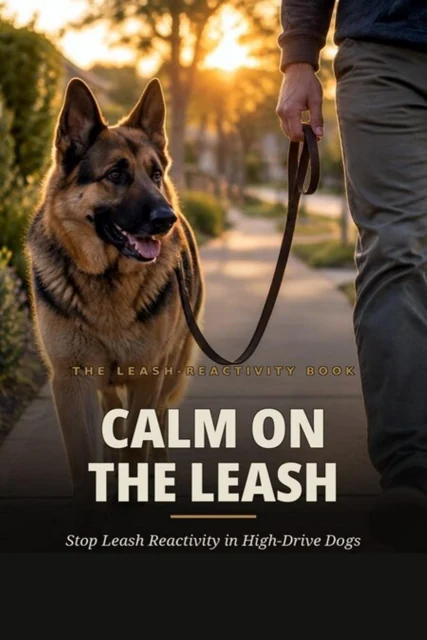
For more on managing reactions to people passing close by, the Calm on the Leash guide covers barking and reactivity step by step. The first chapter is free to read.
Does one of these sound like yours?
Choose what fits. Nothing is saved or submitted.
Sources & care notes
Sources: Dogs Trust, how to train your dog to travel in the car. Dogs Trust, reactive dogs.
This article is general education, not veterinary advice. If your dog seems unwell, is in pain, or something changed suddenly, call your vet. If it could be an emergency, do not wait.
Frequently asked questions
Is barking in the car serious?
It can be. A lunging dog near the driver is a safety issue, so secure restraint comes first.
Should I let my dog look out of the window?
A limited, ventilated view is usually easier than a free window. The busiest side is often the hardest.
How do we practice?
Parked safely first, with another adult rewarding calm noticing at a distance, then short drives on quiet roads.
What if my dog drools or trembles in the car?
That can be motion sickness or fear of the car itself. Ask your vet before more trips.
Can I train my dog while I'm driving?
No. Never turn around to train while driving. Practice in a safely parked car with another adult.