Short answer: If your dog destroys things when you leave, look at the pattern: damage at doors and windows with pacing, drooling, barking or indoor accidents points toward distress about being alone, while chewed shoes or remotes in a dog who otherwise settles points toward boredom or normal chewing. A short camera recording tells you a lot. Book a vet check if it's new or suddenly worse, and don't punish the mess.
How do I tell anxiety from boredom?
Damage concentrated at exits, plus signs like pacing, drooling, barking or toileting indoors, suggests distress; see dog barks when you leave. Damage that looks like entertainment (shoes, remotes, the trash) in a dog who otherwise settles suggests boredom or ordinary chewing. Young dogs also chew more while teething and as adolescents. That's development, not defiance.
When should I call the vet?
If the pattern is new or suddenly worse, book a vet check; pain and gut problems can drive chewing. If your dog may have swallowed a non-food item or chewed something toxic, call your vet now rather than waiting.
How do I prevent the next mess, step by step?
- Record a short absence. See what actually happens.
- Remove temptations. Close doors to rooms that don't matter.
- Set up a safe area. A gated space with a bed, water and things your dog is allowed to chew.
- Offer real outlets. Sturdy chews and a food puzzle at your busiest leaving times, rotated to stay interesting.
- Exercise and sniff before you go. A dog who's had a good walk has less energy for furniture.
- Keep confinement reasonable. And pair it with plenty of company and activity when you're home.
Should I punish my dog for destroying things?
No. Your dog can't connect your anger with something they did hours ago, and the "guilty look" is appeasement, not an admission. Punishment adds anxiety and can make the problem bigger. See does my dog feel guilty?
What if it looks like distress?
If the camera shows panic, arrange company (friends, family, a sitter or daycare) while you work on it gradually with your vet or a qualified behavior professional. Repeated panicked absences can make the fear stronger. See separation anxiety signs and a plan.
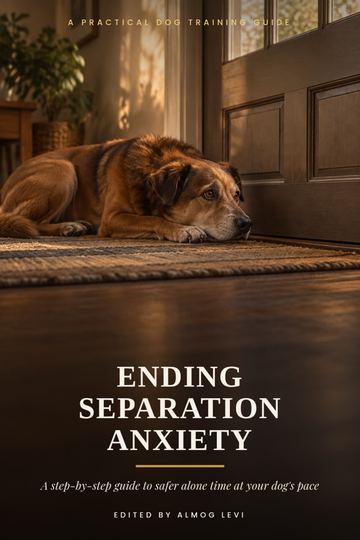
If the recording points to distress, Ending Separation Anxiety walks through gradual alone-time practice alongside your vet's advice. The first chapter is free to read.
This article is general education, not veterinary advice. If your dog seems unwell, is in pain, or something changed suddenly, call your vet. If it could be an emergency, don't wait.
Does one of these sound like yours?
Choose what fits. Nothing is saved or submitted.
Sources & care notes
Sources: ASPCA, destructive chewing. ASPCA, separation anxiety.
Frequently asked questions
Is it anxiety or boredom?
Read the pattern. Damage at doors and windows with pacing, drooling or indoor accidents points to distress. Scattered entertainment items point more to boredom.
Do dogs destroy things out of revenge?
No. They act from discomfort, understimulation, teething or habit, not payback.
When should we book a vet check?
If the pattern is new or suddenly worse. A swallowed non-food item is urgent.
What prevents the next mess?
Remove temptations, close doors that don't matter, and give a safe area with sturdy chews and food puzzles.
Should I crate a dog who destroys things?
Only if your dog is already relaxed in a crate. A distressed dog may get more upset or hurt trying to escape.