Short answer: Trigger stacking is when several stressful or demanding experiences happen close together, so a trigger your dog usually copes with suddenly feels like too much. It isn't a failure to obey; it's a dog carrying more stress than usual. On those days, choose a quieter route, add distance from triggers, and give your dog time to recover in a safe, familiar place.
What causes trigger stacking?
Things like poor sleep, visitors, loud noises, a vet visit or a tense encounter earlier on a walk can add up. Dogs Trust and the AKC both describe how stress can build, so the next trigger lands on a dog who was already struggling. To check how close your dog is to their limit on a given day, use the leash reactivity threshold chart.
How do I spot trigger stacking, step by step?
- Look back, not just ahead. What happened earlier today or yesterday?
- Keep a short log. Note sleep, visitors, noise, vet visits and tense moments on walks.
- Add body language. Record what your dog looked like, not just what they did.
- Look for patterns. Several hard days in a row often come before a big reaction.
What does my dog need after a stacked day?
- Choose a quieter route, or a shorter walk.
- Add distance from triggers.
- Let recovery happen in a safe, familiar place. A relaxed sniff can help some dogs.
- Skip training drills if your dog is already barking or frozen. Leave the situation instead.
- Build back up gradually once your dog is calmer. See why some weeks feel like going backwards.
When should I get help?
If reactions change suddenly, become severe or raise bite concerns, talk to your vet and a qualified behavior professional. A sudden behavior change can have a medical cause.
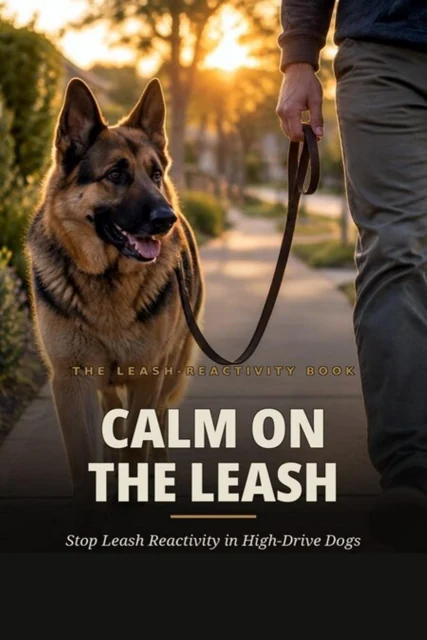
For more on reading your dog's changing capacity around triggers, the Calm on the Leash guide covers reactive walks step by step. The first chapter is free to read.
Sources & care notes
A sudden change in behavior can have a medical cause. If something feels off, check with your vet first.
Frequently asked questions
What is trigger stacking?
Several demanding experiences close together, so today's encounter lands on a dog who was already carrying stress.
What should I look back for?
Poor sleep, visitors, noise, a vet visit or a tense encounter earlier, logged with the setting and your dog's body language.
What does my dog need after a stacked day?
A quieter route, more distance from triggers, and recovery in a safe, familiar place.
What if my dog is already over threshold?
Leave the situation rather than running a practice session. Recovery comes first.
Does a bad day undo my dog's training?
No. A setback after a stressful stretch is common. Make the next few days easier, then build back up.