Short answer: Most dogs don't simply grow out of leash reactivity, and waiting often makes it stronger, because every bark-and-lunge is another rehearsal. The good news is that many reactive dogs improve with calm, regular practice: keep enough distance from triggers, reward calm looking, and avoid the hardest situations while your dog learns. Progress shows up as calmer walks, shorter reactions and faster recovery.
Why doesn't waiting fix leash reactivity?
From the dog's point of view, barking and lunging often works: they react, the other dog moves on, and the scary or exciting thing goes away. Each time, the reaction gets a little more practiced. Some over-excited puppies do calm down as they mature, but a dog who is worried or frustrated on leash usually needs help to learn a new way to feel and act.
For more on the why, see why dogs lunge and bark at other dogs on leash.
What actually helps a reactive dog improve, step by step?
- Stop waiting it out. Start small, calm practice now.
- Find the working distance. The distance where your dog can see a dog and still take treats. See finding your dog's working distance.
- Look, reward, walk away. Let your dog notice the other dog, reward, then move off. Repeat often and briefly.
- Manage the hard stuff. Skip tight greetings, busy dog parks and narrow paths at peak times while your dog learns. Management protects progress; see why management comes first.
- Track what changes. Note how often reactions happen, how long they last and how big they are.
- Expect ups and downs. Ease off after a stressful day and build back up.
What does progress with leash reactivity look like?
Progress is rarely a straight line. Early on, reactions may happen less often simply because your dog meets fewer triggers up close. Over time, many dogs notice other dogs at a distance and check back with you more, react for shorter periods and settle faster. Some dogs will always need extra space in tight spots, and that's okay. The goal is a dog who can live comfortably, not one who greets everyone.
Why do some weeks feel like going backwards?
A big reaction after a calm stretch doesn't erase your work. Stress from noise, visitors, a vet visit or poor sleep can build over a few days until one small thing tips your dog over. This is often called trigger stacking. Make the next few days quieter, go back to easier routes and more distance, then build up again.
If reactions get stronger week after week, behavior changes suddenly, or you think your dog might be in pain, talk to your vet.
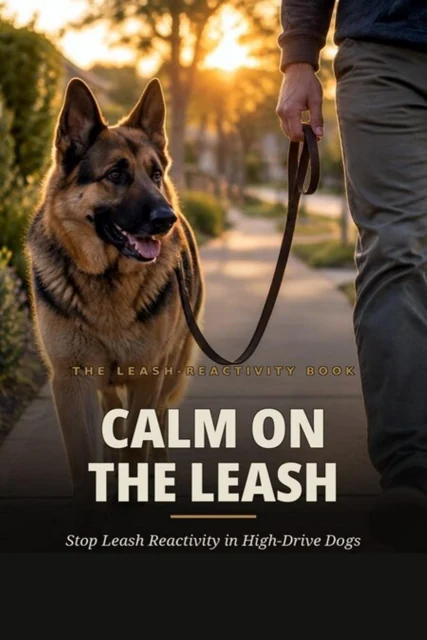
If you'd rather follow a structured plan than wait it out, the Calm on the Leash guide walks through reactivity training at your dog's pace. The first chapter is free to read.
Sources
This article is general education, not veterinary advice. If your dog seems unwell, is in pain, or something changed suddenly, call your vet. If it could be an emergency, don't wait.
Sources & care notes
This article is general education, not veterinary or legal advice. If your dog seems unwell, is in pain, or something changed suddenly, call your vet. If it could be an emergency, do not wait.
Frequently asked questions
Will my dog grow out of leash reactivity?
Most dogs don't on their own, and waiting lets the reaction practice itself. Calm, regular training helps far more than time alone.
Do puppies grow out of barking at other dogs on leash?
Some young dogs calm down as they mature, especially if it was mostly excitement. Many don't, so it's easier to start calm practice early.
Can leash reactivity be cured?
Many dogs improve so much that walks feel easy again. Some always need a bit more space, so aim for calmer, safer walks rather than never reacting.
How long does it take to fix a reactive dog?
There's no fixed timeline. Dogs who have reacted for years may need longer, and progress usually comes in ups and downs.
Is my dog getting worse, or is this a setback?
One bad day after a calm stretch is usually a setback from built-up stress. If reactions grow week after week or change suddenly, talk to your vet.